Claudia Enaldi, Lasell University will speak about Ensuring True Access to Education for Multilingual Learners with Disabilities.
Miguelina Suero, El Futuro will speak about Culturally Responsive Approaches for the Latino Community and students with ADHD.
Rich Cairn of Emerging America will share core strategies to Make Instruction Accessible in Content-Rich History.
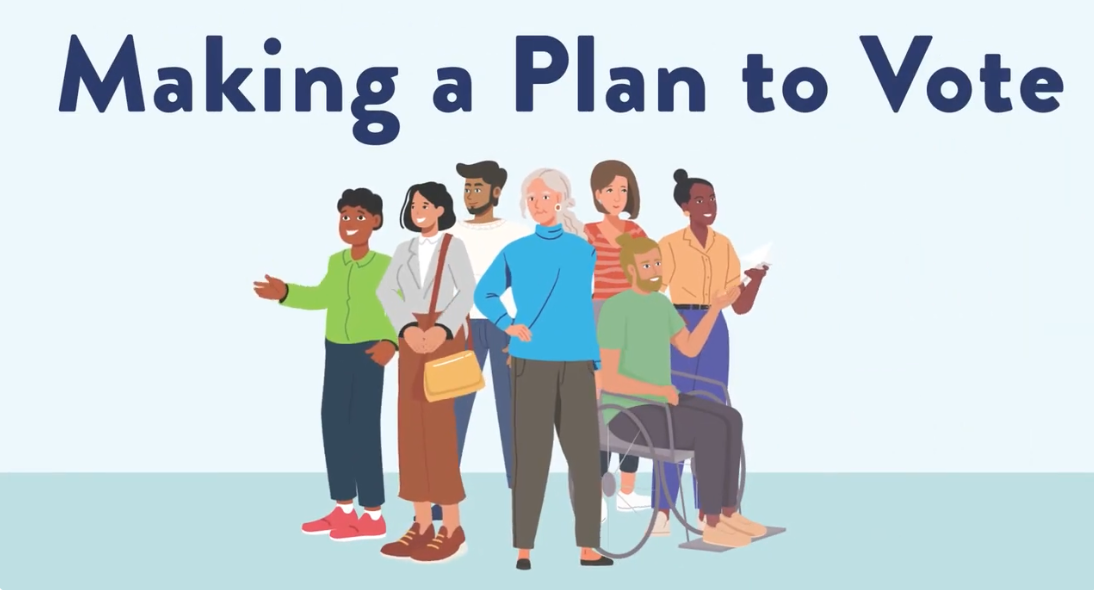
Disability and Young Voters: Access, Legislation and Mobilizing Young Voters - A National Civic Learning Week Discussion
March 11 - 7pm Eastern Time - Explore the state of voting by people with disabilities and by young voters. Discuss strategies and programs for your school to register students with disabilities to vote and to prepare all students to make a successful plan to vote. Register for the webinar.
Lisa Schur, Co-Director, Program for Disability Research, Rutgers University
Doug Kruse, Co-Director, Program for Disability Research, Rutgers University
Ashleigh McKenna, Chief of Staff, New Voters
Noorya Hayat, Senior Researcher, Center for Information and Research on Civic Learning and Engagement (CIRCLE), Tisch College, Tufts University
Saturday: “Tools for Guiding Student Research on Disability and Its Impacts” - Keene State College, and “Building Access to DBQs for Multilingual Learners" - Mass Council for the Social Studies.
Teaching Disability and Human Rights: 2nd Annual Virtual Teaching Disability History Conference - Information.
April 7 - 5:00-7:30pm Eastern Time
Keynote: Hezzy Smith, Harvard Law School
Disability Legislation
Student Research Projects on Disability History - Graham Warder
Teachers, disability advocates, historians, higher education students and allied organizations meet quarterly to share resources and discuss how to advance the field. ASL and CART provided. Supported by a Library of Congress Teaching with Primary Sources grant. Next meeting is March 19, 5:00-6:00pm Eastern Time. To join the group, email Rich Cairn - rcairn @ collaborative.org.
Other Events
In-person, unless noted. Hybrid = in-person and virtual options.
February 25 - 5-6:30pm Eastern Time - "Every Object Tells a Story" Using History.org - Webinar with Heather Nice, Colonial Williamsburg Foundation - University of Central Florida. Register for Heather Nice.
July 27-30 - Three Branches Institute - Washington, DC - Free program for educators - apply by March 1 - White House Historical Association, Supreme Court Historical Society, and U.S. Capitol Historical Society.
Teaching Resources
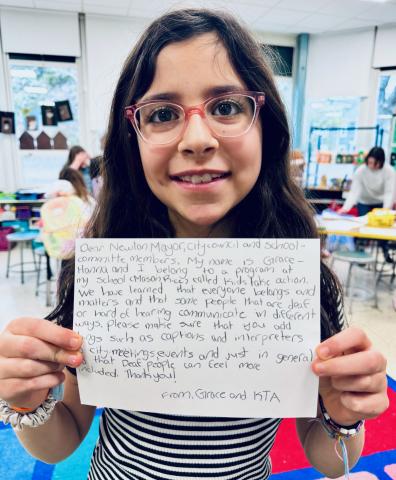
Student advocate - Understanding Our Differences.Understanding Our Differences is a proven, interactive disability awareness program that educates and empowers children and communities to respect, include, and value people of all abilities.
Resources from the 2026 SOURCES Conference in Orlando - University of Central Florida.
Committed to Access and Inclusion of All Learners in Civics, History and Social Studies
Created in response to teacher requests in 2013, the History eNews emailed monthly short descriptions and links of quality history and social studies events and resources. Today, items appear in an Emerging America blog page, with regular Constant Contact email notices to our subscribers. Sign up free at the bottom of the page.
We welcome your news & events!
Published monthly on the first of the month, updated continuously through the month.
Submit items any time to rcairn @ collaborative.org.
Email rcairn @ collaborative.org to be removed from this list.
Content created and featured in partnership with the Teaching with Primary Sources program does not indicate an endorsement by the Library of Congress.
Image Credits
Making a Plan to Vote artwork from the U.S. Election Assistance Commission.
Photo of the Museum of Disability History courtesy the Viscardi Center.
Photo of student advocate Grace Hanna courtesy Understanding Our Differences.
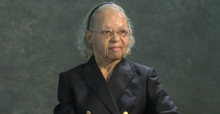
Still from interview of Mildred Bond Roxborough (2010) - Civil Rights History Project - Library of Congress.
Civics and Social Studies Curriculum and Instruction Specialist, Collaborative for Educational Services
Rich Cairn founded Emerging America in 2006, which features the Teaching Disability History project, supported by the Library of Congress Teaching with Primary Sources (TPS) program. Also, the Accessing Inquiry clearinghouse promotes full inclusion of students with disabilities and English Learners in civics and social studies education.