

Since 2010, Emerging America has been a national leader in fostering inclusive and accessible teaching and learning by students with disabilities. In this guest post, Tessa Dodson, education specialist and senior writer at Classrooms.com offers an introduction to a core lesson of Emer…
Date:
Author:
Explore "What Makes a Good Leader?"
Using Examples from 150 Years of Disability History
By Tessa Dodson

Date:
Author:
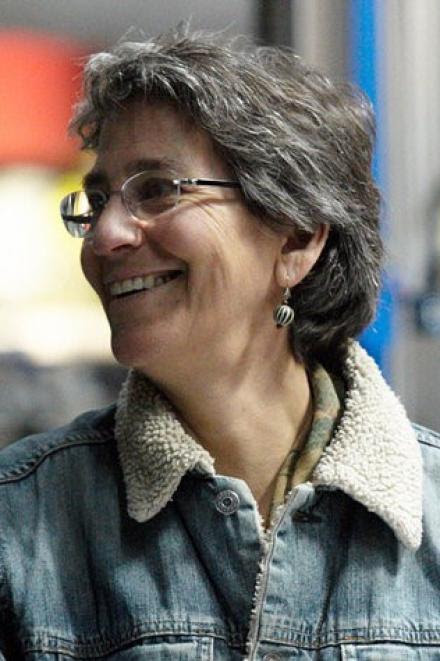
Remembering Laurie Block, Architect of Disability History 1951-2026
By Graham Warder
On September 8 of this year, we lost one of disability history’s founding forces. After a long struggle between cancer and Laurie Block, cancer finally won. Her death came just a month after that of her husband, novelist John Crowley. Though Laurie, my long time friend and a colleague is gone,…
Date:
Author:
November 2026 Inclusive History eNews
In this Issue:
News of the Field
Disability History News & Resources
Events @ Emerging America
Other Events
Teaching Resources
New at the Library of Congress
Featured post this issue: Remembering Laurie Block, Architect of Disability History - by Graham Warder. Featured Event: Disability Hi…
Date:
Author:
October 2026 Inclusive History eNews
In this Issue:
News of the Field
Disability History News & Resources
Events @ Emerging America
Other Events
Teaching Resources
New at the Library of Congress
Featured post this issue: Seeing the Whole Student: Understanding and Resources for Diverse Learning Needs in Your Classroom - guest po…

Date:
Author:
Seeing the Whole Student:
Understanding and Resources for Diverse Learning Needs in Your Classroom
By Tessa Dodson
Since 2010, Emerging America has been a national leader in fostering inclusive and accessible teaching and learning by students with disabilities. The Know and Support Students page in its Accessing Inquiry Clearinghouse offers a trove of specific tools and…

Date:
Author:
September 2026 Inclusive History eNews
In this Issue:
News of the Field
Disability History News & Resources
Events @ Emerging America
Other Events
Teaching Resources
New at the Library of Congress
Featured post this issue: Introducing a Valuable Teaching Resource: Hidden Voices: Americans with Disabilities in United States History by Shuko…
Date:
Author:
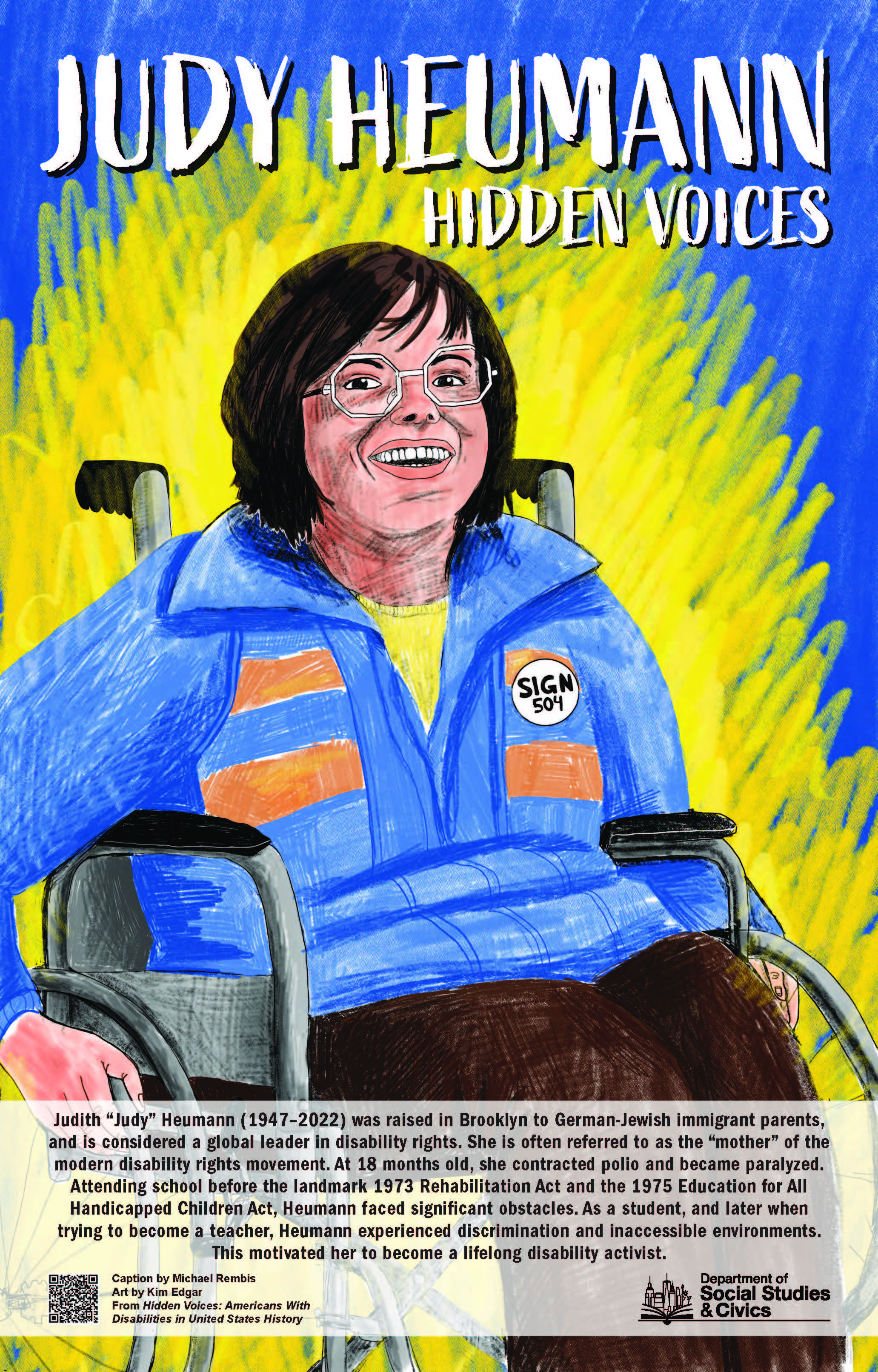
Introducing a Valuable Resource: Hidden Voices: Americans with Disabilities in United States History
By Shuko Tamao and Michael Rembis
Hidden Voices: Americans with Disabilities in United States History (book link) is a remarkable achievement. Published by the New York City Department of Education, it is the product of more than two years of labor of over 35 people, including 15 authors. It p…

Date:
Author:
Collaborative for Educational Services Awarded Massachusetts 2026-27 Genocide Education Grant
Emerging America and the Collaborative for Educational Services (CES) are pleased to announce a Genocide Education Grant from the Massachusetts Department of Elementary and Secondary Education for a transformative project: Teaching Genocide and Survivance of Indigenous / Native Persons…

Date:
Author:
July-August 2026 Inclusive History eNews
In this Issue:
News of the Field
Disability History News & Resources
Events @ Emerging America
Other Events
Teaching Resources
New at the Library of Congress
Featured post this issue: Teaching the Genocide and Survivance of Indigenous / Native Persons and People with Disabilities - announcing a new…

Date:
Author:
A Comprehensive Approach to Full Inclusion
Effective implementation for all learners, especially the 7.5 million Special Education students in the United States, requires careful consideration of accessibility. In particular, educators must pay attention to critical accessibility principles: