

Collaborative for Educational Services Awarded Massachusetts 2026-27 Genocide Education Grant
Emerging America and the Collaborative for Educational Services (CES) are pleased to announce a Genocide Education Grant from the Massachusetts Department of Elementary and Secondary Education for a transformative project: Teaching Genocide and Survivance of Indigenous / Native Persons and People with Disabilities. Awarded to CES in June 2026, the grant supports the development of an open-access curriculum designed to help middle and high school students explore beyond single stories of genocide and victimhood to better understand genocide as a complex process of dehumanization and actions and the continued survivance of impacted Indigenous and disabled communities.
Expanding the Narrative of Genocide Education
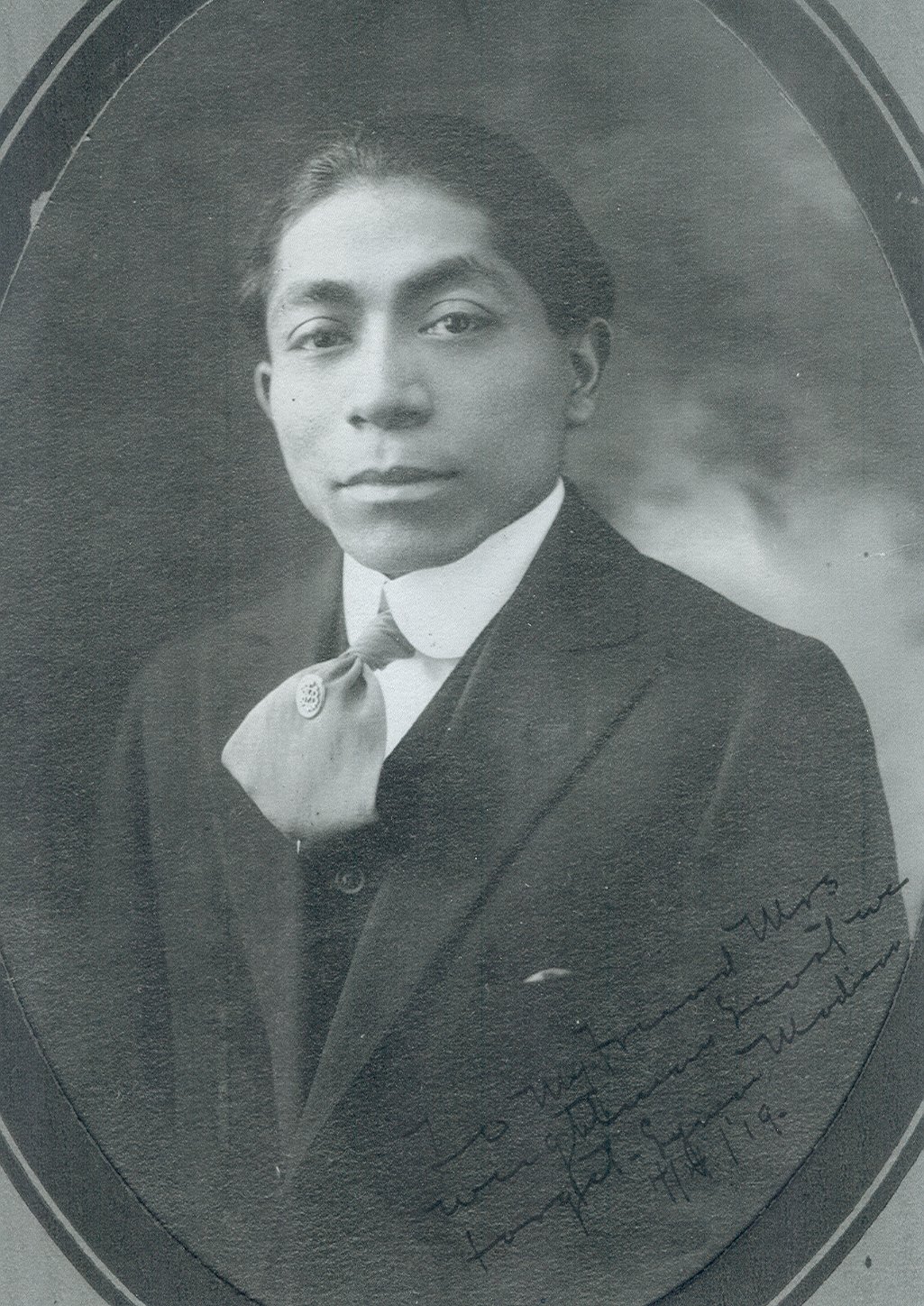
c. 1915.
Students may assume that genocide happens elsewhere; this unit brings the topic home, by examining Indian Boarding Schools and policies, as well as the U.S. eugenics movement, which led to the forced sterilization and institutionalization of people with disabilities. By confronting these local and national "hard histories," the project will support conversations among teachers and students about definitions of genocide, which acts can be seen as genocide, and how Native and disability histories and communities fight erasure in the present day. For example, Indian Residential Boarding "schools" directly connect to genocidal practice and modern day cultural and linguistic reclamation. Key examples include the Native American Languages Act of 1992, "Orange Shirt Day", current Bureau of Indian Education schools, and community-driven wellness to strengthen belonging and identity, via initiatives such as the Wôpanâak Language Reclamation Project. This framing will support students’ understanding genocide as one chapter in longer histories of resistance and survival.
Where traditional curricula often relegate marginalized groups to histories of tragedy and erasure, this project shifts that focus by prioritizing primary source materials—such as oral histories, diaries, and artifacts—that provide students with authentic voices from Indigenous/Native and disability communities and activists. Survivance, a term used by many Native American activists and scholars, emphasizes human agency, resilience, resistance, and thriving rather than just the trauma of events. Through this framework, this project seeks to empower students to see the humanity of others and to engage in meaningful acts to acknowledge and memorialize hard histories that continue to impact Indigenous and disability communities.
Project Details
Educator participants are vital to this project. At the first event in late September 2026, teachers will hear from Indigenous and disabled activists and workshop primary source documents sets. Participant feedback will support the creation of student-centered lessons exploring the genocide and survivance of these groups. Year 1 funding will additionally support 6 hours of professional development and a variety of supplemental learning opportunities and will equip educators with the content knowledge and pedagogical skills to share these histories with their students. Educator feedback on the completed lessons will ensure that the lessons are useful and strike the right balance between challenging and supporting student learning. Tentative year 2 funding will expand the reach of the project by supporting a second cohort of educators and professional development sessions for the 2027-28 school year.
Benefits for Participating Teachers
Participants will earn 10 PDPs and a $600 stipend upon completion of eight hours of required professional learning and two hours of written feedback on CES created lessons.
Project Timeline
Activities begin with a two-hour virtual workshop in late September 2026, followed by six hours of additional professional development in Spring 2027. Participants who attend extra learning opportunities will earn additional PDPs: September 15, 2026 (7 pm ET): a virtual book talk with Dr. Dagmar Herzog regarding The Question of Unworthy Life; virtual screenings of We Still Live Here Âs Nutayuneân & a new documentary by the Massachusetts Department of Developmental Services (early 2027); and a site visit to Belchertown State School in Spring 2027.
Join this Work!
We are recruiting 7th-12 grade educators for the 2026-2027 school year to participate in professional learning sessions and help refine these materials. Amherst-Pelham Regional Schools, Mohawk Trail Regional Schools, Hadley Public Schools, and HEC Academy joined CES in the Genocide Education Grant Application and are being given priority, and we anticipate at least 10 open spots which will be advertised in late August 2026.
Interested administrators, curriculum leaders and educators can contact project lead Ross Newton at rnewton@collaborative.org.
Project Leadership
The Teaching Genocide project is driven by a multidisciplinary team of experts in history, education, and community advocacy:
Dr. Ross Newton (Project Lead)
- A historian and educator who teaches at HEC Academy in Northampton, a special education public high school of the Collaborative for Educational Services (CES). He holds a Ph.D. in History from Northeastern University and a Ed.M. in Social Studies Curriculum and Instruction from Boston University. He is a frequent contributor to Emerging America and various other professional development and curriculum initiatives.
Tracy Wilson, M.S. (Indigenous Consultant)
- A Mashpee Wampanoag leader and the Executive Director of the Wôpanâak Language Reclamation Project. A credentialed linguist and certified native speaker, her work centers on supporting her community through Indigenous language reclamation and the generational healing that accompanies that process.
Dr. Kate Benson (Disability Historian)
- Former special education teacher and team chair, and a specialist in disability and institutional history, she is the author of a number of volumes on the history of asylums and state schools in Massachusetts as well as the president of the Belchertown State School Friends Association. Her work has been featured in the Boston Globe, on New England Public Radio, and on numerous disability-focused websites. She serves on the Massachusetts Special Commission on State Institutions and is a member of the board of the Massachusetts History Alliance where she co-chairs its annual conference.
Teaching Disability Project Leads
- The project also acknowledges the essential support and collaboration of Rich Cairn, the founder of Emerging America and the lead author of the nationally-renowned Reform to Equal Rights: K-12 Disability History Curriculum, and Dr. Graham Warder, an Emeritus Professor of History and Director of the Keene State College Teaching with Disability History Project, funded by a Library of Congress Teaching with Primary Sources grant.
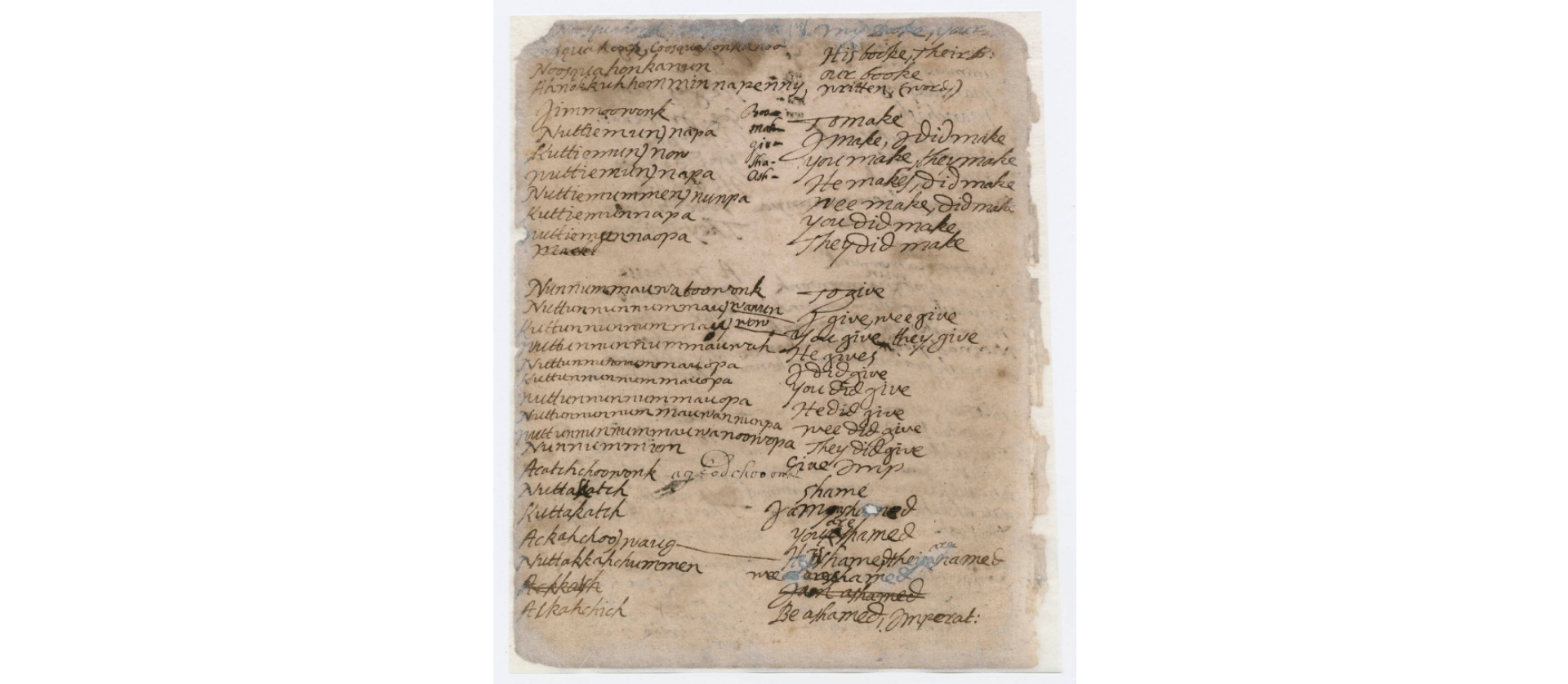
Image Credits
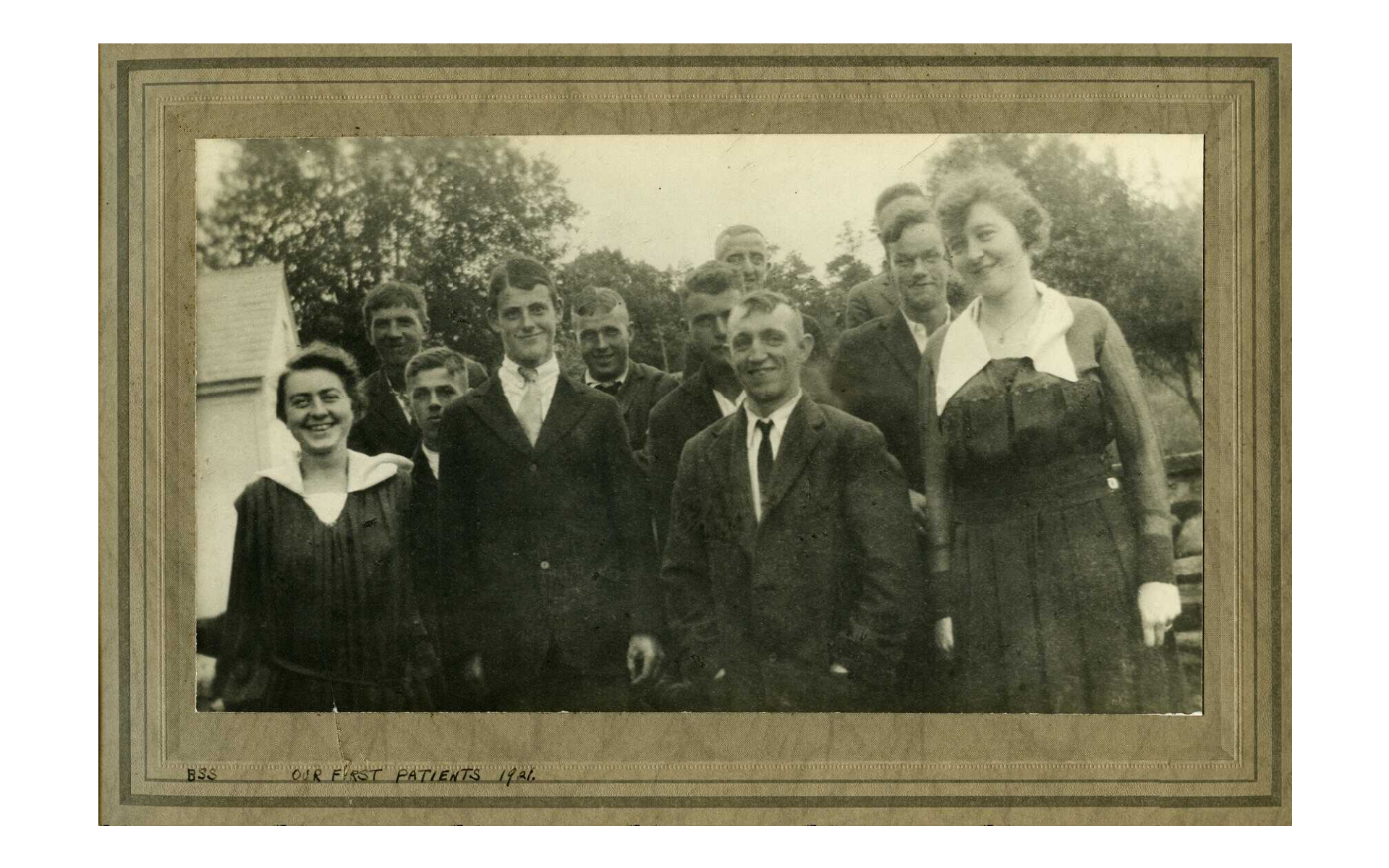
- 'Our first patients' [Belchertown State School], ca. 1921. Miscellaneous Manuscripts Collection (MS 719). Special Collections and University Archives, University of Massachusetts Amherst Libraries.
- Page from the John Cotton, Jr. Indian vocabulary, 1666-1678. Massachusetts Historical Society.
- Lyman Madison c. 1915. Carlisle Indian School Digital Resource Center.
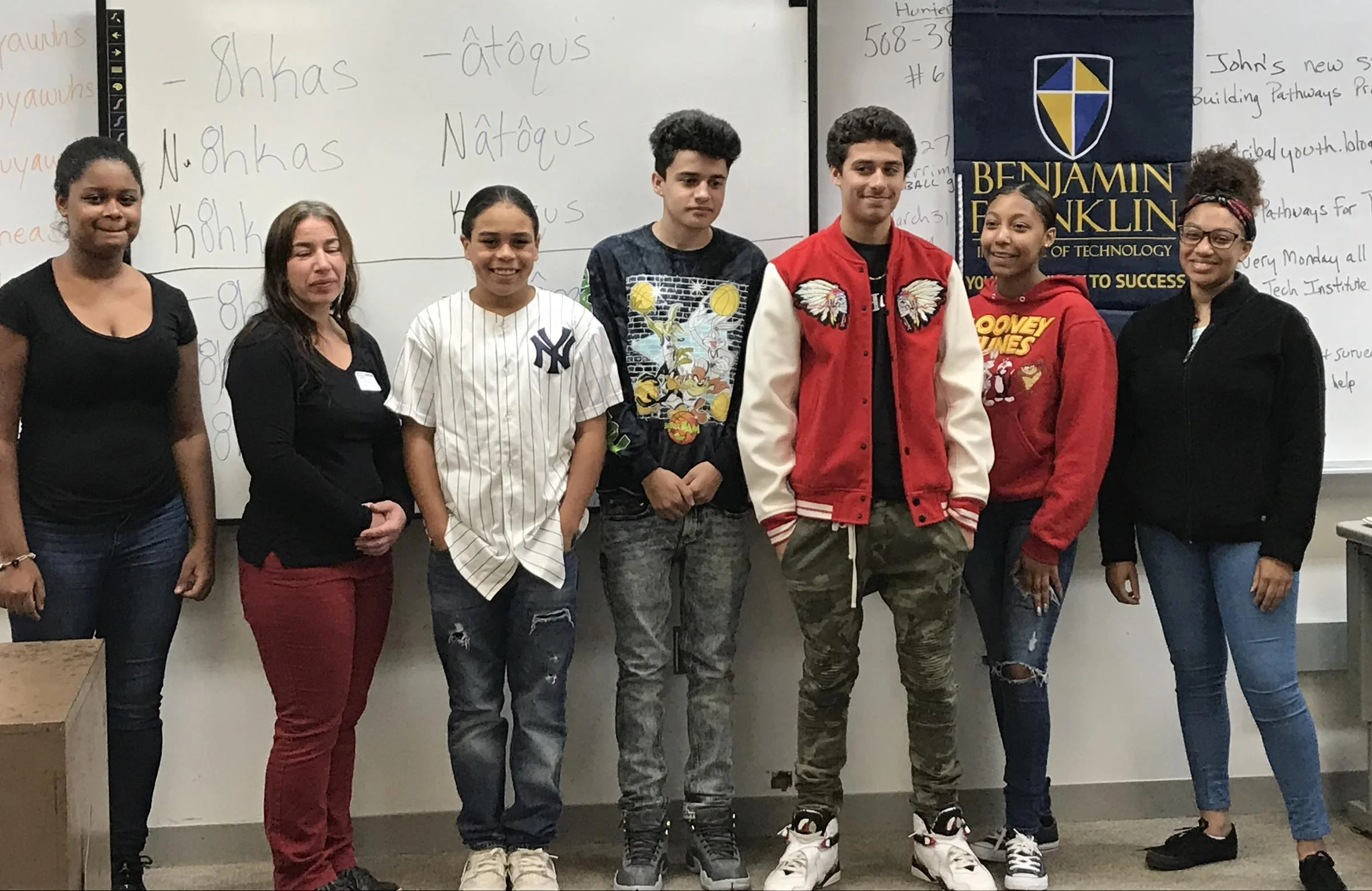
- High School Offers First-Ever Native American Language Course, 1-23-2018. CAI - Cape and Islands NPR.
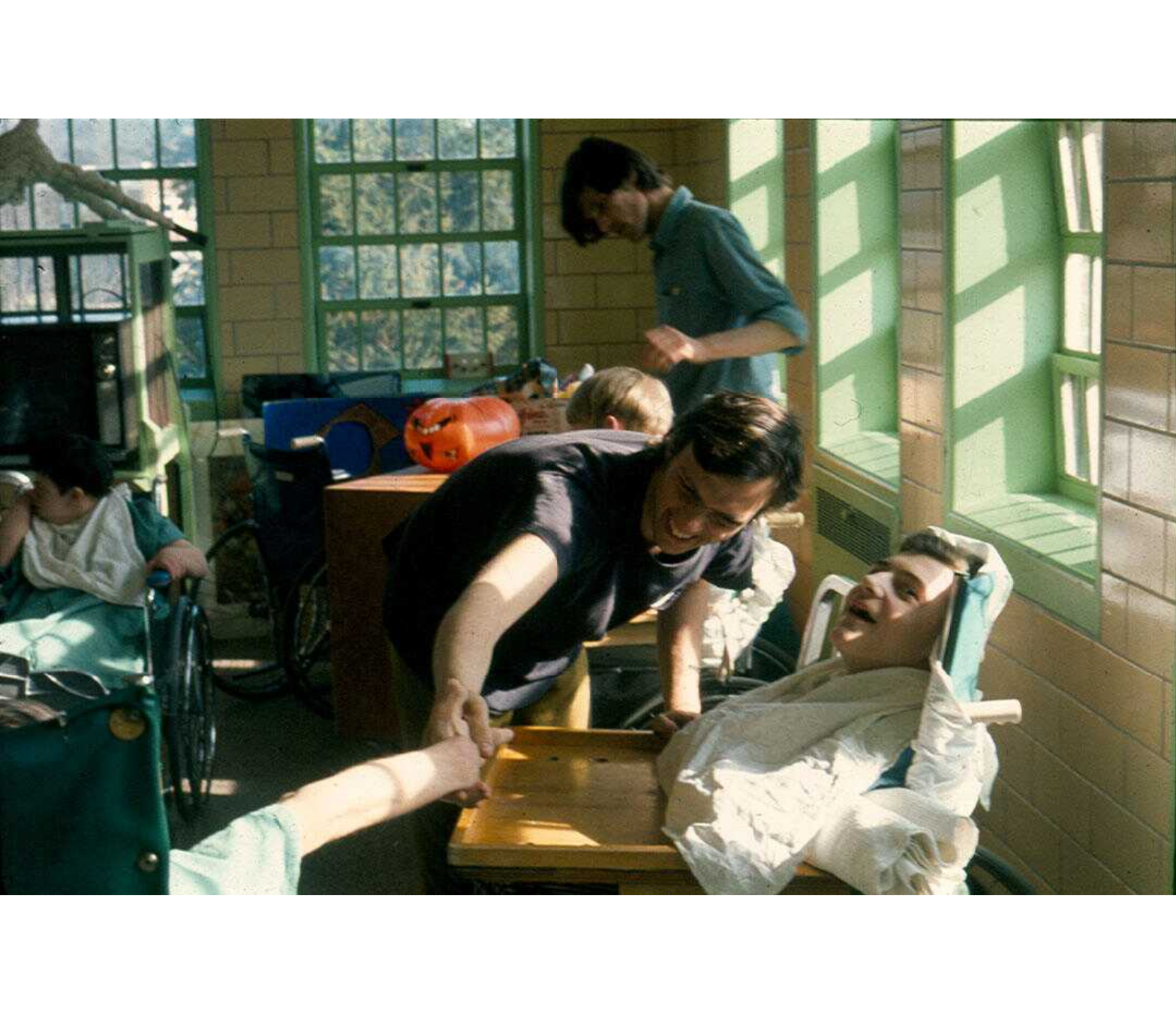
- Working on the wards at Belchertown State School: nearly 75 Community members worked here from 1973-76 including Melvin Weiner [F] and Alan Harris, 1975. Daniel A. Brown Photograph Collection (PH 011). Special Collections and University Archives, University of Massachusetts Amherst Libraries.